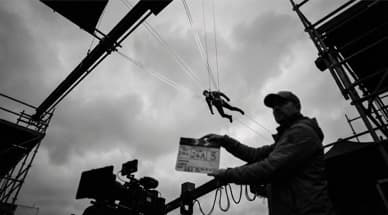
What if your VFX team could remove wires, rigs, and unwanted objects in a fraction of the usual time?
Cleanup & Paintout Automation
VFX artists manually paint out wires, rigs, and background objects frame by frame, consuming days of post schedule.
Automated cleanup tools handle wire removal and sky replacement at speed, freeing artists for creative compositing work.

How many hours does your roto team spend on masks that could be tracked automatically?
AI Rotobrush & Masking
Rotoscoping and masking is done manually frame by frame, creating a bottleneck that slows every downstream VFX task.
Automated roto and tracking tools generate accurate masks in minutes, letting artists focus on creative problem-solving.
What if you could predict which audience segments will respond to a campaign before spending a penny?
AI Audience Segmentation
Marketing teams rely on gut instinct and post-release data to understand audience fit, making costly misjudgements on spend.
Predictive models segment audiences and test creative performance in advance, sharpening campaign decisions before release.

Could you know a project's risk profile before you've committed the budget to develop it?
Story Risk Assessment
Dev execs greenlight projects based on experience and instinct, often discovering cost or audience misalignment too late.
Story risk tools surface narrative complexity, estimated cost, and likely audience fit at the earliest stage of consideration.

Imagine if your live-action footage could become a fully stylized animated world without rebuilding every frame.
Style Transfer for Animation
Translating live-action material into a distinct visual style requires painstaking manual work across every shot and sequence.
Style transfer tools apply a consistent visual treatment across footage automatically, opening new creative directions with less effort.
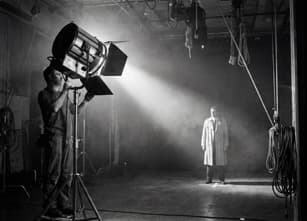
What if your gaffer could walk onto set already knowing which lighting setups will work for a given scene?
AI-assisted Lighting Optimization
Lighting decisions are made through trial and error on set, consuming valuable shoot time and taxing the crew's energy.
Lighting optimisation tools suggest proven setups based on script and location data, reducing on-set guesswork significantly.

What if your production designer could build a complete visual world from a script in an afternoon?
Generating Visual/Design References
Assembling lookbooks and moodboards for a new project takes days of image research, licensing, and curation by hand.
Visual reference tools generate contextual moodboards and design directions from script inputs, ready for creative conversation.

Could your producers have a credible budget estimate the moment a script lands on their desk?
Script → Budget Estimation
Budget estimation requires a producer and line producer to manually break down every scene, a process taking days or weeks.
Script-to-budget tools extract cost drivers and forecast spend automatically, giving producers an early financial picture quickly.

How much prep time would your AD recover if the shot list wrote itself from the script?
Shot List Generation
ADs manually translate every scene into shot lists and camera plans, a labour-intensive process prone to revision under pressure.
Shot list generation tools convert script scenes into structured camera plans automatically, freeing the AD for floor-level decisions.
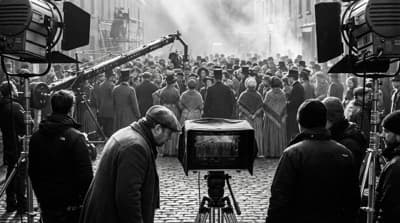
What if you could populate a crowd scene with hundreds of convincing background characters without hiring a single extra?
Synthetic Performers / Background Characters
Crowd scenes require large numbers of background artists, creating significant logistical and budgetary pressure on every shoot day.
Synthetic performer tools generate and composite believable background characters, reducing crowd costs while maintaining creative control.

What if your marketing team could test ten campaign concepts before signing off on a single image?
Key Art & Poster Creation
Brand teams brief designers and wait days for poster variations, often cycling through multiple rounds of costly revision.
AI generates themed key art variations from creative briefs in minutes, accelerating campaign decisions without agency fees.
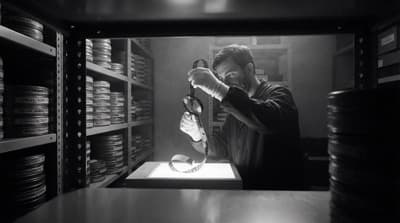
What if your archive team could reconstruct a missing scene without a single frame of original footage surviving?
Synthetic Reconstruction of Missing Footage
Preservation teams work around gaps in archive collections, accepting that lost or degraded footage is simply gone.
Synthetic reconstruction tools generate plausible approximations from surrounding material, giving archivists a route to completeness.
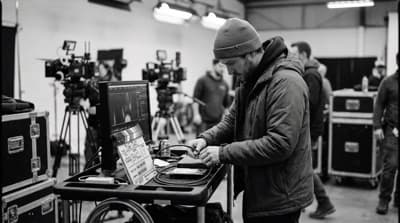
How much time does your DIT spend manually logging slate data that the camera already captured?
Auto Camera Metadata and Logging
DITs and data wranglers manually transcribe slate, lens, and take data at wrap, introducing errors and consuming hours.
Automated metadata tools capture and sync camera data in real time, eliminating manual logging and downstream continuity errors.

Could your production spot a hazardous setup before the crew arrives on set?
AI-driven Safety & Compliance
Health and safety reviews are done manually from script notes and site visits, often identifying risks only once setup has begun.
AI tools flag potentially hazardous scenes from script and location data in advance, giving safety teams time to plan properly.
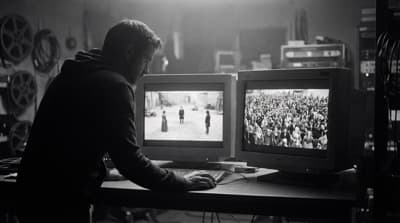
What if your post team could populate a crowd scene without a single background artist on set?
AI Crowd Replacement
VFX artists manually composite, animate, or shoot supplemental crowds separately, adding weeks of post time and significant cost.
Procedural crowd replacement tools generate and integrate background actors in post, cutting crowd costs without compromising the director's vision.

What if your location manager could shortlist five viable options without leaving the office?
Virtual Location Scouts
Location managers spend days or weeks travelling to scout sites, assessing suitability against script requirements in person.
AI builds accurate 3D mockups from location photography, letting teams assess and shortlist sites remotely before committing to travel.
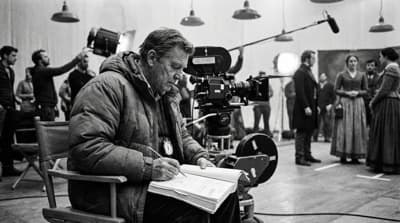
What if continuity errors were flagged on the day they happened, not discovered in the edit?
Live Script Supervisor AI
Script supervisors manually track every prop, costume, and line variant across a shoot day, relying on notes and memory under pressure.
Script supervisor tools monitor continuity, missed lines, and required pickups in real time, surfacing issues before the unit moves on.

Imagine if a performance gap in post could be filled without bringing the actor back to a recording studio.
AI ADR / Voice Matching
Production sound gaps require actors to record ADR in a separate session, adding time, cost, and rarely matching the original energy.
Voice matching tools synthesise performance-accurate replacements from existing recordings, closing gaps without additional ADR sessions.

How many hours does your sound team spend on dialogue cleanup before the creative mixing work even starts?
Automated Dialogue Editing
Sound editors manually clean, de-noise, and level-match dialogue tracks across every scene, consuming days of post-production time.
Automated dialogue tools clean and balance tracks at speed, freeing sound editors and mixers for the decisions that shape the final mix.
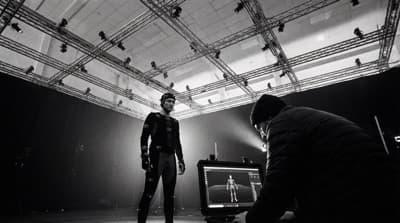
What would you do with markerless capture that worked cleanly the first time?
Real-time Face/Body Capture Enhancement
Performance capture relies on dense marker suits and controlled conditions, limiting what can be captured on a live set and when.
Real-time enhancement tools clean and process face and body capture on location, making high-fidelity mocap practical outside the volume.

What if your casting director could rank two hundred auditions by emotional range and script alignment before a single tape is watched?
AI Audition Pre-screening
Casting directors watch hours of tape to shortlist candidates, relying on memory and notes with no systematic comparison.
Screening tools rank auditions by delivery, tone, and script match, surfacing the top candidates before anyone presses play.

How many hours does your writers' room lose each week turning rough drafts into industry-standard format?
Script Formatting & Cleanup
Writers spend hours reformatting drafts manually or waiting for script editors to clean up submissions before development can begin.
Automated formatting tools convert any draft to industry-standard layout instantly, freeing writers to focus on the story.

What if marketing could have a rough trailer assembled from emotional peaks before the picture lock meeting ends?
Trailer Rough Cut Generation
Editors manually review hours of footage to select moments for a trailer, a process that takes days before a rough cut exists.
Automated tools identify emotional beats and assemble a rough trailer cut from the timeline, giving marketing a usable starting point immediately.
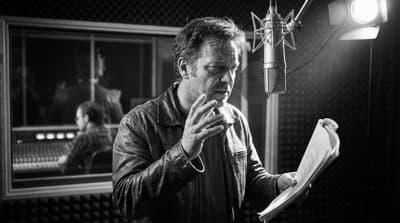
What would your international distribution look like if every dubbed version sounded like the original actor's voice?
AI Voice Dubbing / Language Replacement
Dubbed content uses replacement voice actors whose delivery rarely matches the original performance, reducing emotional fidelity across territories.
Voice synthesis tools match the original actor's timbre and cadence across languages, preserving performance quality for global audiences.
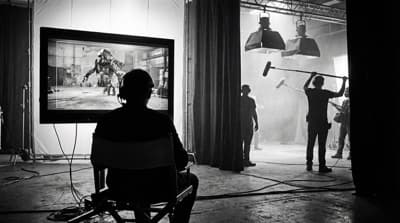
What decisions could your director make on set if rough VFX were composited into the monitor feed in real time?
Real-time Generative VFX Previews
Directors shoot against clean plates or basic markers, making VFX decisions without seeing how finished effects will integrate with the live camera.
Real-time generative compositing drops rough effects into the live feed on set, letting directors make informed creative choices before anyone wraps.

What if your sound team had a complete library of footsteps, cloth, and movement generated before the edit is locked?
Automated Foley
Foley artists record every footstep, cloth movement, and prop interaction manually against picture, consuming days of studio time per project.
Automated tools generate contextually matched foley tracks from scene metadata, giving sound designers a working library to refine rather than build from scratch.

How far into development does your legal team typically discover a script shares protected plot structures with existing IP?
Rights & IP Similarity Detection
Rights and similarity checks happen late in development, often after significant investment, when conflicts are costly and disruptive to resolve.
Detection tools scan scripts against IP databases at submission stage, flagging potential conflicts before creative and financial commitment deepens.

What would your development slate look like if every writer arrived with three fully structured alternative story directions already mapped out?
Script Generation Ideation
Writers develop outlines and beat sheets from scratch, a slow process that limits the number of structural ideas any one person can generate.
Ideation tools generate multiple outline variants and alternative character arcs on demand, giving writers structured starting points to challenge or discard.
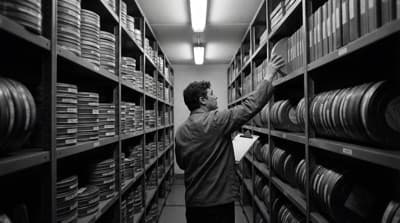
How confident is your archive team that no asset in your library has been reused without a valid licence?
Duplicate Detection & Rights Tracking
Archive teams rely on manual checks and institutional memory to identify duplicate or reused media, with compliance gaps inevitable at scale.
Detection tools scan libraries automatically for duplicate or conflicting assets, surfacing rights issues before they become legal exposure.

What does a compliance issue discovered in a new territory cost your delivery schedule — and how late in the process does it usually surface?
Regional Compliance Checks
Compliance teams screen content for regional restrictions manually, creating bottlenecks that delay delivery and risk missing territory-specific rules.
Automated tools scan finished content against regional compliance databases, flagging prohibited visuals and phrases before the delivery package is finalised.
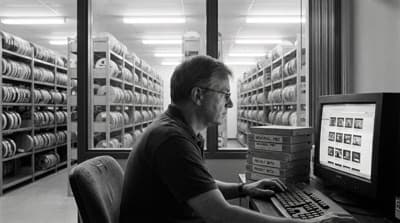
How long does your archive team spend searching for a specific face or location across footage before giving up?
AI-driven Archive Discovery Tools
Archive teams search collections manually using metadata fields and memory, missing material that exists but cannot be easily found.
Discovery tools search by face, object, or transcript across the full archive, surfacing relevant footage in seconds rather than hours.

What would your VFX pipeline look like if your team could test fluid, particle, and cloth behaviour before committing to a full simulation?
AI-generated Simulation Previews
VFX artists commit simulation parameters and run full calculations before knowing if results will match the director's expectations, wasting farm time.
Preview tools generate low-fidelity simulation tests at a fraction of the compute cost, letting teams validate creative direction before full production runs.
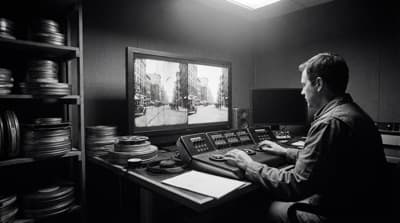
What archive titles are sitting unstreamed because the picture quality falls below today's delivery standards?
Restoration: Upscale, De-noise
Restoration teams manually clean and upscale archive footage frame by frame, making large-scale remastering projects prohibitively expensive.
AI remastering tools upscale and de-noise footage automatically, making archive restoration economically viable at catalogue scale.

What if your editor could lock picture with a temp score that already feels like the finished film?
Temp Score Generation
Editors pull commercially licensed tracks for temp scores, creating rights headaches and setting expectations the final score may not meet.
Score generation tools produce original reference tracks matched to the edit's pacing and mood, giving composers a clear direction without licensing risk.

How many additional territories could your content reach if translation no longer determined your release schedule?
Machine Translation for 50+ languages
Localisation pipelines require professional translators for every language, making simultaneous multi-territory release logistically and financially demanding.
Machine translation tools produce first-pass scripts across fifty languages simultaneously, compressing localisation timelines and reducing per-territory cost.
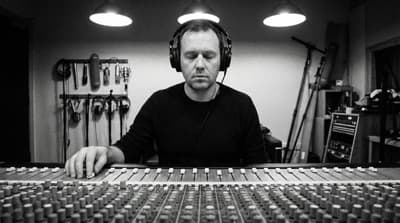
How much time does your sound team spend listening back through takes just to confirm which ones are usable?
Audio Scene Classification
Sound editors manually review recordings to identify clean takes, mic problems, and background noise before any creative editing begins.
Audio classification tools scan recordings automatically and flag usable takes, mic issues, and noise events, letting editors start work immediately.

How many scheduling conflicts emerge late in pre-production because talent availability wasn't cross-checked early enough?
Talent Availability Prediction
Talent availability is tracked manually across union schedules, personal commitments, and travel, with conflicts often discovered when prep is already advanced.
Availability prediction tools cross-reference calendars, union rules, and travel constraints automatically, surfacing conflicts before scheduling is locked.

What if your production designer could walk into the first creative conversation with twelve fully realised environment options already on the table?
Concept Art Generation
Production designers and concept artists develop visual proposals over weeks, synthesising reference imagery by hand before any design direction is agreed.
Generation tools produce environment, prop, and mood visuals from text inputs at speed, giving design teams a rich starting palette to challenge and refine.
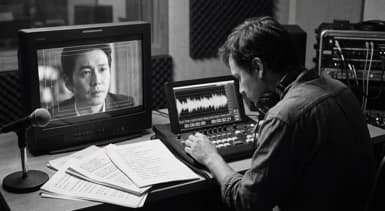
How much of your accessibility commitment is limited by the time and cost of producing high-quality captions at scale?
Automated Subtitles & Captioning
Subtitles and captions are produced by specialist teams working against tight delivery schedules, creating a bottleneck that affects every title in the pipeline.
Automated transcription tools produce high-quality subtitle files ready for review, compressing access services timelines significantly across the full catalogue.

What if your director could visualise blocking and camera moves from a text description of the scene before a single crew member arrives on set?
Previz & Animatics Automation
Previz and animatics require storyboard artists and animators to translate the director's intent manually, taking weeks to communicate what should take minutes.
Automated tools generate rough previz and animated blocking from script or text inputs, letting directors communicate intent to the whole crew at speed.
How many shoot days has your production lost to weather delays that better forecasting could have flagged weeks earlier?
Weather, Risk & Delay Forecasting
Line producers rely on standard weather apps and gut instinct, discovering costly delays only when the unit is already on location.
Predictive forecasting tools flag weather and logistics risks weeks ahead, giving producers time to replan before any crew is mobilised.

What if you could see how an audience will respond to a casting combination before the deal is even on the table?
Cast-Audience Fit Models
Studios greenlight casting decisions on instinct and historical precedent, with no reliable way to predict how specific combinations will land with target audiences.
Audience-fit models score casting combinations against demographic data, giving marketing and studios a quantified view of likely reception before committing.

What would your crowd scenes look like if you never had to balance creative ambition against the cost of extras again?
Crowd Simulation for Extras
VFX teams build crowd scenes by painstakingly multiplying and placing individual background performer plates, a process that caps scale and consumes weeks of compositing time.
Crowd simulation tools generate convincing, directable background populations in real time, letting VFX teams achieve epic scale without logistical ceilings.

Could your marketing team see how audience sentiment is shifting in real time, rather than weeks after a campaign launches?
Sentiment & Market Reaction Analysis
Marketing and PR teams manually compile social listening reports after campaigns go live, receiving audience reaction data days or weeks after the moment has passed.
Automated sentiment tracking surfaces audience buzz and market reaction continuously, letting teams pivot messaging while a campaign still has momentum.
What if your VFX team could see the exact lighting and blocking of every shot before post-production begins?
Set Digitization / Real-time Twins
VFX supervisors work from memory, paper notes, and inconsistent reference photography, reconstructing on-set conditions from incomplete data during post.
Real-time set digitization captures precise blocking, lighting, and spatial data on the day, giving VFX a live twin to work from throughout post.
Imagine if your casting team could test how any actor looks on camera under any lighting condition before a single recall is booked?
Synthetic Casting Tests
Directors and DPs conduct camera and lighting tests with physical talent, booking studio time and recalling actors for sessions that consume production days.
Digital double tools run camera and lighting tests against synthetic likenesses, letting teams evaluate looks and combinations remotely without recalling talent.
How long does your editor spend hunting down the costume or prop mismatch that slipped past everyone on set?
Continuity Checking
Editors and script supervisors catch continuity mismatches by eye, reviewing footage frame by frame and relying on handwritten notes that are easily missed.
Automated continuity tools scan the timeline and flag prop, costume, and position mismatches before a cut leaves the edit suite.

Could your social team stop reformatting the same clip by hand for every single platform it needs to appear on?
Social Media Asset Versioning
Social media teams manually resize, reformat, and recaption every marketing asset for each platform, spending hours on mechanical work that adds no creative value.
Automated versioning tools adapt a single master asset to every required format, aspect ratio, and caption style in minutes, freeing teams for strategy.
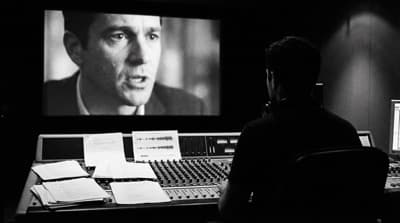
What if every dubbed performance looked as natural as the original, with mouth movements that audiences never have to think about?
Lip-Sync Correction
Localisation teams spend days per episode manually checking and flagging lip-sync issues, with VFX artists then correcting mouth movements frame by frame.
Automated lip-sync correction tools align dubbed audio to facial movements across entire episodes, delivering natural-looking performances at a fraction of the time.
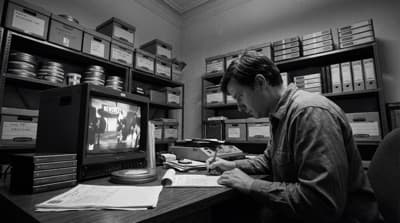
How much archive footage does your team have that nobody can find because it was never properly logged?
Automated Logging & Keywording
Archivists and post supervisors log footage manually, tagging objects, characters, and locations from memory, a process that leaves vast catalogues incomplete and unsearchable.
Automated detection tools log every object, character, and location across footage as it arrives, making the entire archive searchable from day one.
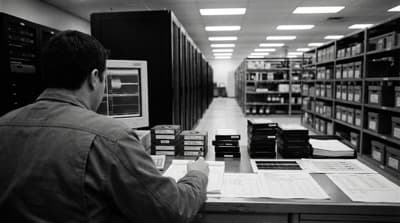
How many assets sit unusable in your archive simply because no one has had time to tag them?
Auto QC & Metadata Enrichment
QC teams manually check every file for format errors and add metadata by hand, bottlenecking archive access for weeks.
Automated QC flags technical errors and enriches every asset with accurate metadata on ingest, making the archive instantly searchable.
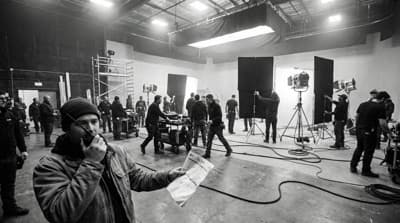
What if your set could communicate the right call-time, the right location, and the right change — without a single radio call?
Voice-of-God Assistants
ADs spend hours each day relaying routine updates to crew by walkie-talkie, phone chain, or printed call sheets that are already out of date.
An automated assistant delivers real-time production communications to the right crew members instantly, freeing the AD to focus on the floor.
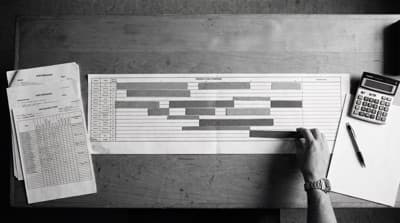
How many days does your team spend rebuilding the schedule every time a script changes or a location falls through?
AI-driven Production Scheduling
Line producers spend days manually cross-referencing script breakdowns, cast availability, and location conflicts to build a workable shooting schedule.
Schedules rebuild automatically from script breakdowns, instantly reflecting cast, location, and budget constraints without manual rework.

Could you know whether a location will actually work for your script before your team drives out to scout it?
Location Feasibility Assessment
Location managers scout multiple sites physically for every scene, spending weeks assessing logistics that often rule out options only after visiting them.
Script requirements are matched against location data automatically, surfacing viable candidates with logistics assessed before a single scout is dispatched.

What if you could see exactly where a character's voice starts to drift — before it reaches the writers' room table?
Character/Dialogue Analysis
Development executives read scripts cover-to-cover and rely on gut instinct to identify dialogue inconsistencies, tonal drift, or pacing problems across drafts.
Character voice, tonal consistency, and dialogue pacing are mapped across every draft, giving story editors specific, evidenced notes in minutes.
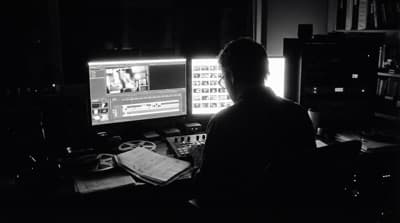
What if your editor could walk into day one of post with a structured assembly already waiting — not a mountain of raw rushes?
Rough Cut Generation
Editors spend the first week of post manually logging multi-camera rushes and building a basic assembly from scratch before any real creative work begins.
A dialogue-first rough cut is assembled automatically from multi-cam selects, so editors start day one refining creative choices, not organising footage.

How much of your assistant editor's week disappears to syncing, labelling, and ordering footage that could be laid out automatically?
Smart Assembly
Assistant editors manually sync, label, and arrange footage against the script timeline, consuming days that could otherwise go toward creative support.
Footage is synced, ordered, and assembled against the script timeline automatically, so assistant editors spend their time on craft, not logistics.
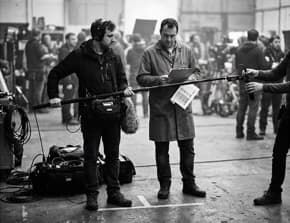
ADR Prediction
ADR Prediction
Flags future dialogue issues

What if a second pair of eyes could tell you which scenes are carrying the story and which are quietly stalling it?
Scene Re-ranking
Editors rely on instinct and test screenings to identify pacing problems, often discovering structural issues only after significant creative investment.
Scene-level narrative analysis identifies pacing weak points and suggests reordering options, giving editors a data-backed starting point for structural decisions.

What if launching a new FAST channel took days instead of months?
FAST Channel Creation & Deployment
Building and deploying FAST channels meant weeks of manual configuration, platform-by-platform, burning ops time before a single frame aired.
Channels are configured, packaged, and pushed live across every platform automatically, cutting launch time from months to days.

How much revenue is your schedule leaving on the table every single week?
AI-Driven Linear Programming
Schedulers built linear grids on instinct and historical habit, unable to model how each slot decision rippled through ad yield and retention.
Scheduling now optimises across viewer behaviour, ad demand, and business rules simultaneously, lifting yield and audience retention on every channel.

What would your distribution operation look like without a single rack of legacy hardware?
Cloud Broadcast Infrastructure Migration
Broadcast teams ran playout and distribution on ageing on-premise hardware that was expensive to maintain, slow to scale, and impossible to fail over cleanly.
Playout and distribution run entirely in the cloud, giving ops teams instant scalability, lower capital costs, and resilient failover from anywhere.

How often does the same ad slot deliver the same value to two completely different viewers?
Dynamic Ad Insertion & Monetization
Ad inventory was sold in fixed, undifferentiated blocks, with insertion handled manually and yield left largely to negotiation rather than real-time demand signals.
Every ad break is filled server-side with the highest-yielding creative in real time, maximising revenue across streaming and linear simultaneously.
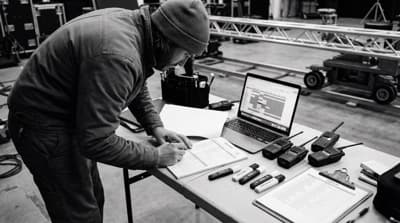
How much time does your AD spend every evening rebuilding the same call sheet from scratch?
Automated Call Sheet Generation
The 1st AD or production coordinator manually compiles each call sheet from the stripboard, contacts list, and schedule — cross-referencing scenes, cast availability, and location details. A single sheet can take 1–2 hours to build, with errors propagating across departments when last-minute changes aren't caught.
Call sheets auto-generate from the production schedule and crew database in minutes, with weather, maps, and overtime calculations pulled in automatically. Changes cascade instantly — update a scene, and every affected call time, department note, and distribution list updates with it.

How many hours does your assistant editor spend each night logging and syncing dailies before the editor can even start cutting?
AI Dailies Logging & Metadata Generation
Assistant editors manually sync sound, tag takes, log metadata, and organise bins from each shooting day — a repetitive process that can take 3-4 hours per day of rushes before the editor sees a single frame.
AI-driven dailies systems detect slates, sync audio, tag scenes with searchable metadata, and deliver organised bins to editorial within minutes of ingest, freeing assistants for creative support work.

When was the last time a conform went through without a single relinking error or missing file?
Automated Conform & Online Assembly
Online editors and assistants manually relink proxy files to OCN, cross-reference EDLs against the timeline, and troubleshoot missing or mismatched media — a meticulous process where a single tape ID error can cascade through the entire conform.
AI-assisted conform tools automatically match proxy edits to high-resolution originals, flag mismatches before they become problems, and verify every cut point against the EDL, delivering a clean online timeline ready for finishing.

What if your editor could start with a curated set of the strongest takes instead of scrubbing through every frame of every setup?
AI-Assisted Selects & Stringout Generation
Assistant editors manually review every take, mark selects, build stringouts by scene, and create KEM rolls — a process that can take longer than the actual creative edit, especially on multi-camera or high-ratio shoots.
AI analyses transcript alignment, performance energy, technical quality, and continuity to surface the strongest takes, delivering organised selects and stringouts that let the editor start building the story immediately.

How much of your colourist's time goes into basic shot balancing before they even start the creative grade?
AI-Assisted Shot Matching & First-Pass Grading
Colourists spend hours on primary correction — balancing exposure, adjusting white balance, and matching shots across setups — before they can begin the creative grade that actually shapes the look of the show.
AI analyses image composition and lighting to auto-balance and match shots across the timeline, delivering a consistent baseline that lets the colourist focus creative time on look development and scene-by-scene storytelling.

What if your lead actor could play themselves at every age in the story without months of frame-by-frame VFX work?
AI De-Aging & Digital Face Modification
De-aging an actor requires 3D scanning, digital head modelling, and months of frame-by-frame compositing by VFX artists — at costs regularly exceeding $1M per project and with results that can still fall into the uncanny valley.
AI models trained on actor reference footage generate photorealistic age modifications at up to 300x faster than traditional pipelines, with tools like Metaphysic Live delivering results in real-time on set for director feedback.

How many of your compositor hours go into prepping plates before anyone starts the actual creative composite?
AI VFX Plate Prep & Stabilisation
Compositors spend significant time on plate preparation — correcting lens distortion, stabilising handheld footage, matching grain profiles, and isolating elements — before the creative compositing work can begin.
AI-driven plate prep tools handle distortion correction, stabilisation, grain analysis, and element isolation automatically, delivering compositor-ready plates that let the VFX team focus on the creative work from day one.

What do you do when you need to replace the music track but all you have is a final mix with no stems?
AI Stem Separation for Re-Versioning
Re-versioning or re-mixing a final audio deliverable without original stems means either expensive re-recording, lossy EQ-based isolation, or accepting that certain elements simply cannot be changed.
AI stem separation isolates dialogue, music, and effects from a stereo or surround mix at near-studio quality, enabling music replacement, dialogue re-balancing, and clean M&E creation without the original session files.

How long does your sound designer spend searching libraries for an effect that doesn't quite exist — when they could describe exactly what they need?
AI Sound Design & SFX Generation
Sound designers search through vast SFX libraries for the right effect, often layering and processing multiple sounds to create something that matches the scene — a creative but time-consuming process, especially for unusual or highly specific requirements.
AI generates custom sound effects from text descriptions in seconds, providing sound designers with tailored starting points that can be refined and layered, dramatically reducing library search time and enabling faster creative iteration.

How much ADR could you avoid if your production audio cleanup could rescue dialogue that used to be unusable?
AI Dialogue Noise Reduction & Restoration
Production audio from difficult locations arrives with wind noise, traffic, electrical hum, or room reverb that makes dialogue unusable — requiring expensive and time-consuming ADR sessions that rarely capture the energy of the original performance.
AI noise reduction isolates dialogue from environmental noise with remarkable precision, rescuing location audio that would previously have been written off — preserving the original performance and reducing ADR bookings.

How many deliverables get bounced back by the broadcaster for loudness or compliance issues that could have been caught automatically?
Automated Loudness Compliance & Delivery QC
Audio engineers manually meter loudness using static LUFS checks, visually inspect waveforms, and iterate on corrections — a process that catches errors late, costs re-delivery time, and doesn't scale across dozens of platform-specific deliverables.
AI QC systems analyse loudness dynamics across dialogue, music, and effects layers in context, auto-correct within defined tolerances while preserving dynamics, and verify compliance across multiple delivery specs simultaneously.

How many hours does your payroll coordinator spend cross-referencing timecard rates against the guild schedule before they can run a single payroll?
AI-Assisted Timecard Processing & Payroll Automation
Payroll coordinators manually check each timecard against applicable union agreements, calculate overtime tiers and fringe benefits by hand, and send batches to a payroll service — a process that can take two to three days per cycle on a busy shoot.
AI automatically matches timecards to the correct contract, calculates gross and net pay including fringes, and triggers payment — payroll that took days runs overnight with error rates close to zero.

How many of your invoices sit unmatched in an inbox because no-one has time to cross-reference the PO log?
Intelligent Invoice Matching & AP Automation
Production accountants manually input invoice data, hunt through PO registers to find the matching order, and route approval emails back and forth across departments — a process that consumes hours per day and still generates coding errors.
AI scans each invoice on upload, pulls the matching PO automatically, codes to the GL, and sends for approval via pre-configured routing rules — the accounts payable queue clears itself.

When did you last know for certain that every deal memo on your production was compliant with the current guild minimums?
Union Compliance & Rate Card Automation
Line producers and production accountants manually check deal memos against guild rate cards — documents that update with each new CBA cycle — and often discover compliance gaps only when the guild audits or a crew member raises a dispute.
Every deal memo is checked automatically against live union rate data; breaches are flagged before startwork is approved, protecting production from financial and reputational exposure.

Does your finance team know exactly what residual obligations will crystallise the moment your show closes its streaming deal?
Residuals Calculation & Tracking Automation
Residuals calculations are done manually against complex guild formula schedules that vary by agreement type, distribution medium, and territory — a process that is slow, error-prone, and often reactive when guild audits expose underpayments.
AI tracks every distribution event and automatically calculates the resulting residual liability, generating payment schedules and audit-ready records before the payment window closes.

If you had to call your financier right now and tell them where the production will land on final cost, how confident would you be in that number?
Cost-to-Complete Forecasting
Line producers assemble cost-to-complete estimates manually, pulling actuals from accounting and applying judgement to remaining costs — an exercise that takes half a day, is already stale by the time it's shared, and is subject to significant personal bias.
A live cost-to-complete model updates automatically as actuals flow in, flagging variance trends and projecting final cost against the approved budget with explainable confidence ranges.

When did you last catch a budget line going off-track early enough to actually do something about it?
Budget Variance Detection & Alerting
Production accountants run cost reports weekly or fortnightly, by which point overages in camera, art department, or catering have already accumulated to the point where the only option is to find compensating savings elsewhere.
Live variance monitoring flags lines trending over threshold as they develop, giving the production manager time to intervene — catching a five-day overage on day two rather than week three.

How long does it take to get an answer when a financier asks a specific question about a production's spend?
Natural Language GL Querying & Cost Reporting
Any question about production spend that isn't in a pre-built cost report template requires an accountant to pull data manually, build a custom view, and report back — a cycle that can take hours and creates bottlenecks at exactly the moments decisions need to be made.
Finance executives and producers type questions directly, receive structured reports in seconds, and make decisions in the meeting rather than waiting for accounting to follow up.

What's the last thing holding up a crew member's first day because their paperwork isn't cleared?
Crew Onboarding & Startwork Automation
Production coordinators chase individual crew members for signed contracts, tax forms, and bank details via email, track completion on spreadsheets, and manually escalate incomplete packages — a process that routinely causes day-one payroll errors and compliance gaps.
Each crew member receives a personalised digital onboarding pack on booking; the system tracks completion, sends automated reminders, and only clears startwork when all required documents are signed and verified.